
Teloz field notes
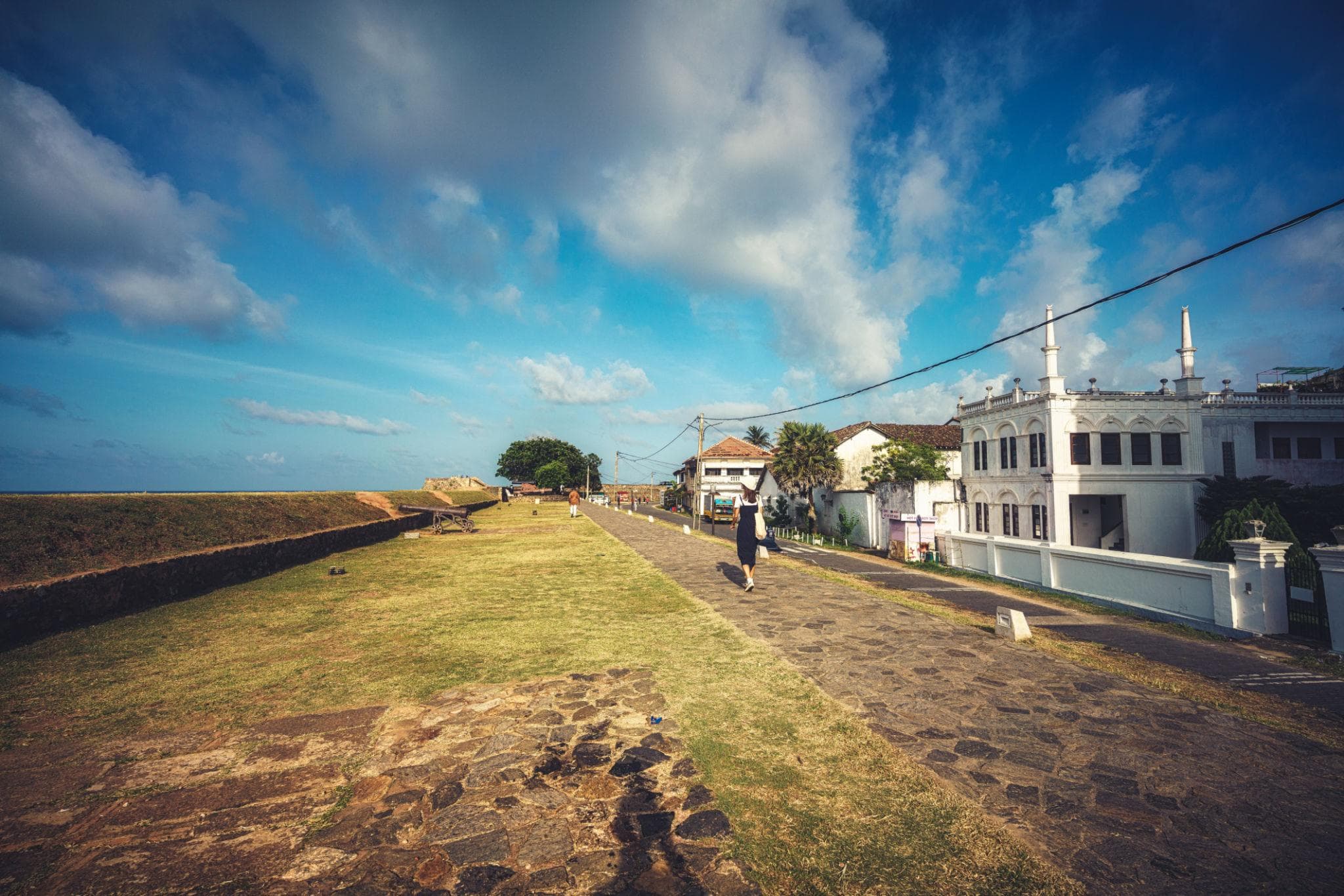
Galle Fort: ramparts, merchants, and a living UNESCO neighbourhood
2026-02-10 · 6 min read
Why the fort feels Dutch-brick European and unmistakably Sri Lankan—and how the ocean shaped its streets.
Monsoon harbours and maritime ambition
Galle’s natural harbour attracted Arab, Persian, Chinese, and European traders long before fortifications rose. The Portuguese and later the Dutch hardened that advantage into walls, warehouses, and a gridded town designed for defense and commerce.
Today Galle Fort is a UNESCO precinct where lawyers still cycle to offices inside coral-stone lanes and boutique hotels occupy restored merchant houses.
Craft and cuisine along the ramparts
Lace-makers, jewelers, and café kitchens reinterpret coastal ingredients—amberjack, coconut, cinnamon—in intimate spaces framed by bougainvillea. Sunset walks on the ramparts are a gentle ritual: families, photographers, and pilgrims of breeze all sharing the same horizon.
Pairing Galle with the south coast
Many itineraries stitch Galle to Mirissa’s bays or quieter coves eastward, balancing heritage mornings with salt-air afternoons—a rhythm that mirrors how traders once mixed business with seasonal sailing windows.
Ready to walk these stories in real life?
Tell us your dates and pace — we will shape an itinerary that honours both bucket-list sights and time to breathe.
Open booking widget