
Teloz field notes
From Anuradhapura to Sigiriya: kingdoms carved into rock and ritual
2026-04-18 · 8 min read
How Sri Lanka’s ancient capitals shaped sacred landscapes—and why Sigiriya still feels like a throne above the jungle.
A timeline written in reservoirs and stupas
Anuradhapura was among the great Buddhist centers of the ancient world: vast tanks fed fertile fields, monastic complexes grew beside ceremonial avenues, and the island’s rulers framed legitimacy through piety and public works. Travelers still sense that engineered harmony—water, faith, and urban order planned across centuries.
Polonnaruwa later refined the model with compact royal precincts and masterful bronzes. Together, these cities teach us that Sri Lankan civilization was never only coastal; it was an inland civilization of irrigation, scholarship, and pilgrimage.
Sigiriya as theatre and fortress
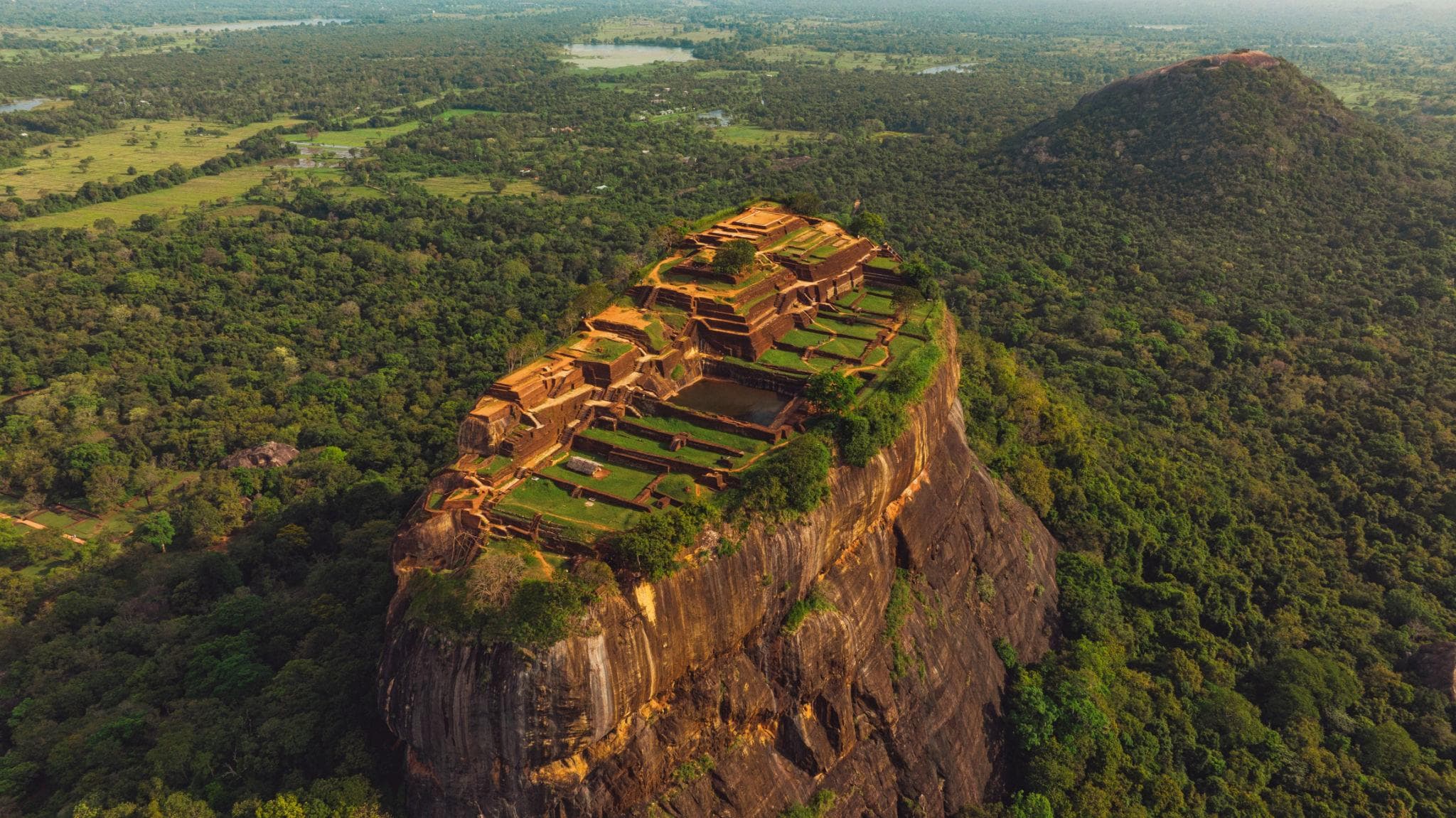
Sigiriya rises like a stage set: frescoed galleries, mirror walls with graffiti verses, and summit ruins that survey misty forests. It is often described as a palace-fortress, but it is also a statement—power translated into vertical drama.
Visitors who arrive at dawn feel the temperature shift as light climbs the rock face. Local guides often pair Sigiriya with the cave temples at Dambulla, linking painted caves with sky-high urban ambition—a day that moves from intimate devotion to panoramic spectacle.
Traditions you will still meet on the road
Offerings at village temples, the scent of jasmine at roadside shrines, and respectful dress near sacred precincts are living threads of the same values that built Anuradhapura’s monastic estates. Experiencing Sigiriya alongside these daily rhythms makes history feel immediate—not museum-quiet, but neighborly.
Ready to walk these stories in real life?
Tell us your dates and pace — we will shape an itinerary that honours both bucket-list sights and time to breathe.
Open booking widget